July 4, 2025
July 4, 2025
July 4, 2025
The Future of Poker Entertainment: Ecosystems, Platforms, and New Media
Poker content consumption has fragmented dramatically. A decade ago, audiences followed a few dominant media properties. Today, attention distributes across hundreds of creators, platforms, and formats.
Poker content consumption has fragmented dramatically. A decade ago, audiences followed a few dominant media properties. Today, attention distributes across hundreds of creators, platforms, and formats.
This fragmentation presents both challenge and opportunity. Organizations that adapt to new media dynamics will thrive. Those clinging to legacy models will lose relevance. PokerLAB Group's ecosystem structure positions it advantageously for this evolving landscape.
The Shift from Channels to Platforms
Traditional media operates through channels: television networks, magazines, websites. Audiences come to the channel, consume content, leave.
Platforms invert this relationship. Users arrive to accomplish goals—learn, connect, track progress—and content serves those objectives. YouTube is a platform. Netflix is a platform. Masterclass is a platform.
PokerLAB HUB operates as platform, not channel. Users don't visit to consume random content—they access structured learning paths, track course progress, and engage with integrated educational tools.
This platform-first approach creates stronger retention and deeper engagement than channel-based distribution. Users develop habitual relationships with platforms in ways they don't with channels.
The Network Effect in Poker Media
PokerLAB Network produces daily content reaching 2 million people monthly across multiple platforms. This consistent presence creates compound advantages:
— Algorithmic Preference — Platforms reward consistent publishing. Accounts that post daily receive more algorithmic distribution than those posting sporadically.
— Mental Availability — Frequency builds brand recall. Users encountering PokerLAB content daily develop stronger association than those seeing it occasionally.
— Compound Discovery — Each content piece creates opportunity for new audience discovery. Higher publication frequency accelerates growth.
— Data Generation — More content means more engagement data, revealing what resonates and informing future strategy.
These advantages compound over time. Year one, consistent publishing requires significant effort with modest returns. Year five, the accumulated library and established audience create substantial momentum.
From Content to Entertainment Products
Poker instruction historically felt like work. Study sessions. Training videos. Hand analysis. The tone was educational, not entertaining.
Modern audiences expect education to feel like entertainment. Masterclass understood this, packaging high-level instruction with production values matching premium streaming content.
PokerLAB applies similar thinking. Course videos feature professional lighting, thoughtful editing, and presentation quality that respects audience standards developed through consumption of Netflix, YouTube, and streaming platforms.
The information density remains high. The delivery format acknowledges that educational content competes for attention against all digital media, not just other training material.
The Ecosystem Advantage in Fragmented Media
Media fragmentation means no single platform guarantees reach. Success requires presence across multiple channels: YouTube, Instagram, TikTok, podcasts, articles, courses, e-books.
Individual creators struggle to maintain quality across this distribution complexity. Ecosystems handle it systematically.
PokerLAB Creative Studio produces content that distributes through Network, appears in Academy courses, informs HUB platform material, generates e-Books content, and supports Team media. Single production effort, multiple distribution endpoints.
This structural efficiency allows quality maintenance at scale. Competitors without ecosystem infrastructure must choose between breadth and quality. PokerLAB delivers both.
The Rise of Educational Platforms as Media Brands
Khan Academy, Coursera, Masterclass—educational platforms have become major media brands. They don't just distribute courses; they create cultural presence.
PokerLAB Group follows this trajectory within poker. Academy and HUB aren't just training resources—they're media properties with distinct identities, consistent presence, and growing cultural authority.
The 70,000+ Academy students represent more than enrollment numbers—they represent an engaged audience that views PokerLAB as the definitive educational voice in Brazilian poker.
This positioning creates advantages beyond direct revenue. Media authority attracts partnerships, talent, and opportunities unavailable to traditional training businesses.
Interactive Content as Competitive Moat
Passive video consumption represents first-generation digital education. The future belongs to interactive, adaptive, and personalized learning experiences.
PokerLAB HUB's platform architecture enables features traditional video courses cannot match: progress tracking, adaptive curriculum, integrated quizzes, community forums, live workshops, performance analytics.
These interactive elements create switching costs. Students who've invested time building progress within the platform face friction when considering alternatives. This retention advantage compounds as platform features expand.
The Creator Economy Meets Institutional Media
Individual poker content creators face sustainability challenges. Algorithms change. Burnout occurs. Personal brands depend entirely on individual energy and health.
Institutional media—backed by teams, infrastructure, and systems—offers resilience individual creators cannot match. Content production continues regardless of any single person's availability.
PokerLAB Network combines both models: Team members bring authentic personal voice, while Creative Studio provides institutional support ensuring consistent output quality and frequency.
This hybrid approach captures creator authenticity while maintaining institutional reliability.
From Transactions to Relationships
Legacy poker training operates transactionally: sell course, deliver content, relationship ends.
Platform-based ecosystems build ongoing relationships. — Students engage with free Academy content, progress to HUB platform materials, eventually enroll in On Demand courses. Throughout this journey, they consume Network content and follow Team members.
This extended engagement creates multiple touchpoints and deepening commitment. The economic value of a student grows over time rather than concentrating in a single transaction.
What Comes Next
Several trends will shape poker media's next phase:
— AI-Enhanced Personalization — Adaptive learning systems that customize content based on individual student performance and learning patterns.
— Live Interactive Formats — Real-time workshops, Q&A sessions, and collaborative learning experiences that blend education with community building.
— Micro-Content Optimization — Platform-specific content strategies recognizing that TikTok, YouTube Shorts, and Instagram Reels require distinct creative approaches.
— Cross-Platform Integration — Seamless experiences where students move between learning on web, mobile, and desktop without friction.
— Community as Product — Forums, study groups, and peer learning structures that transform isolated students into connected communities.
PokerLAB Group actively develops capabilities in each area. The infrastructure decisions made years ago—building Creative Studio, developing platform technology, investing in ecosystem thinking—position the organization to execute these future strategies.
Conclusion
The future of poker entertainment belongs to organizations that understand modern media dynamics: platform thinking, ecosystem integration, consistent presence across fragmented channels, quality matching mainstream expectations, and interactive experiences that build lasting relationships.
PokerLAB Group didn't build infrastructure for today's media landscape—it built for tomorrow's. The investments in Creative Studio, platform development, and integrated distribution now pay dividends as the industry evolves toward these models.
For audiences, this evolution means better content, more engaging learning experiences, and higher production standards. For competitors, it raises the baseline for what constitutes professional poker media.
Entertainment and education are converging. Platforms are replacing channels. Ecosystems are outcompeting isolated operations.
The future isn't arriving—it's already here. The question for poker organizations is whether they're building the infrastructure required to compete within it.
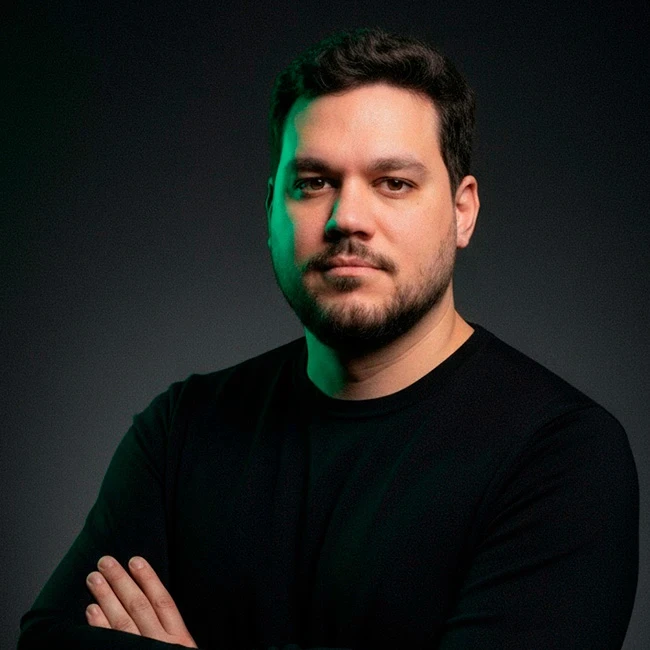
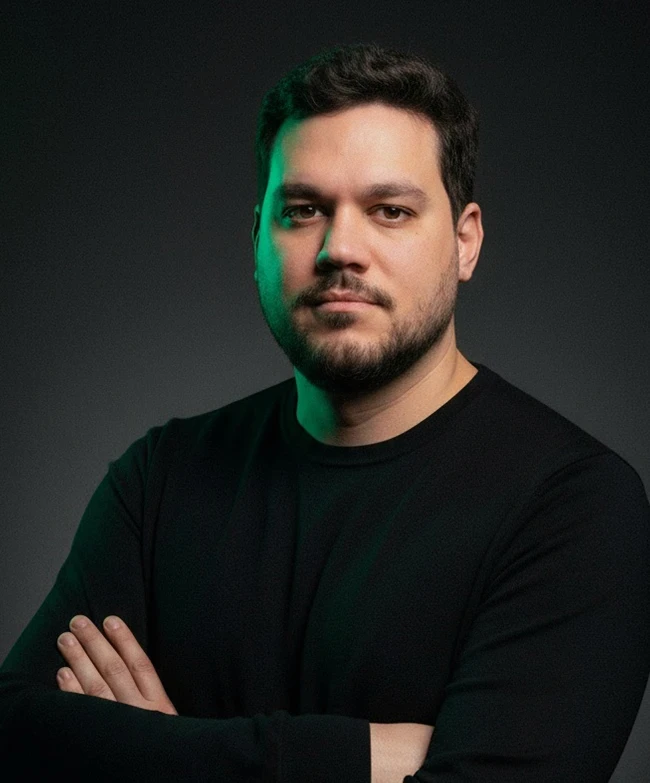
Thiago Lameirinhas
CEO & Founder
Thiago Lameirinhas
CEO & Founder

The Shift from Channels to Platforms
Traditional media operates through channels: television networks, magazines, websites. Audiences come to the channel, consume content, leave.
Platforms invert this relationship. Users arrive to accomplish goals—learn, connect, track progress—and content serves those objectives. YouTube is a platform. Netflix is a platform. Masterclass is a platform.
PokerLAB HUB operates as platform, not channel. Users don't visit to consume random content—they access structured learning paths, track course progress, and engage with integrated educational tools.
This platform-first approach creates stronger retention and deeper engagement than channel-based distribution. Users develop habitual relationships with platforms in ways they don't with channels.
The Network Effect in Poker Media
PokerLAB Network produces daily content reaching 2 million people monthly across multiple platforms. This consistent presence creates compound advantages:
— Algorithmic Preference — Platforms reward consistent publishing. Accounts that post daily receive more algorithmic distribution than those posting sporadically.
— Mental Availability — Frequency builds brand recall. Users encountering PokerLAB content daily develop stronger association than those seeing it occasionally.
— Compound Discovery — Each content piece creates opportunity for new audience discovery. Higher publication frequency accelerates growth.
— Data Generation — More content means more engagement data, revealing what resonates and informing future strategy.
These advantages compound over time. Year one, consistent publishing requires significant effort with modest returns. Year five, the accumulated library and established audience create substantial momentum.
From Content to Entertainment Products
Poker instruction historically felt like work. Study sessions. Training videos. Hand analysis. The tone was educational, not entertaining.
Modern audiences expect education to feel like entertainment. Masterclass understood this, packaging high-level instruction with production values matching premium streaming content.
PokerLAB applies similar thinking. Course videos feature professional lighting, thoughtful editing, and presentation quality that respects audience standards developed through consumption of Netflix, YouTube, and streaming platforms.
The information density remains high. The delivery format acknowledges that educational content competes for attention against all digital media, not just other training material.
The Ecosystem Advantage in Fragmented Media
Media fragmentation means no single platform guarantees reach. Success requires presence across multiple channels: YouTube, Instagram, TikTok, podcasts, articles, courses, e-books.
Individual creators struggle to maintain quality across this distribution complexity. Ecosystems handle it systematically.
PokerLAB Creative Studio produces content that distributes through Network, appears in Academy courses, informs HUB platform material, generates e-Books content, and supports Team media. Single production effort, multiple distribution endpoints.
This structural efficiency allows quality maintenance at scale. Competitors without ecosystem infrastructure must choose between breadth and quality. PokerLAB delivers both.
The Rise of Educational Platforms as Media Brands
Khan Academy, Coursera, Masterclass—educational platforms have become major media brands. They don't just distribute courses; they create cultural presence.
PokerLAB Group follows this trajectory within poker. Academy and HUB aren't just training resources—they're media properties with distinct identities, consistent presence, and growing cultural authority.
The 70,000+ Academy students represent more than enrollment numbers—they represent an engaged audience that views PokerLAB as the definitive educational voice in Brazilian poker.
This positioning creates advantages beyond direct revenue. Media authority attracts partnerships, talent, and opportunities unavailable to traditional training businesses.
Interactive Content as Competitive Moat
Passive video consumption represents first-generation digital education. The future belongs to interactive, adaptive, and personalized learning experiences.
PokerLAB HUB's platform architecture enables features traditional video courses cannot match: progress tracking, adaptive curriculum, integrated quizzes, community forums, live workshops, performance analytics.
These interactive elements create switching costs. Students who've invested time building progress within the platform face friction when considering alternatives. This retention advantage compounds as platform features expand.
The Creator Economy Meets Institutional Media
Individual poker content creators face sustainability challenges. Algorithms change. Burnout occurs. Personal brands depend entirely on individual energy and health.
Institutional media—backed by teams, infrastructure, and systems—offers resilience individual creators cannot match. Content production continues regardless of any single person's availability.
PokerLAB Network combines both models: Team members bring authentic personal voice, while Creative Studio provides institutional support ensuring consistent output quality and frequency.
This hybrid approach captures creator authenticity while maintaining institutional reliability.
From Transactions to Relationships
Legacy poker training operates transactionally: sell course, deliver content, relationship ends.
Platform-based ecosystems build ongoing relationships. — Students engage with free Academy content, progress to HUB platform materials, eventually enroll in On Demand courses. Throughout this journey, they consume Network content and follow Team members.
This extended engagement creates multiple touchpoints and deepening commitment. The economic value of a student grows over time rather than concentrating in a single transaction.
What Comes Next
Several trends will shape poker media's next phase:
— AI-Enhanced Personalization — Adaptive learning systems that customize content based on individual student performance and learning patterns.
— Live Interactive Formats — Real-time workshops, Q&A sessions, and collaborative learning experiences that blend education with community building.
— Micro-Content Optimization — Platform-specific content strategies recognizing that TikTok, YouTube Shorts, and Instagram Reels require distinct creative approaches.
— Cross-Platform Integration — Seamless experiences where students move between learning on web, mobile, and desktop without friction.
— Community as Product — Forums, study groups, and peer learning structures that transform isolated students into connected communities.
PokerLAB Group actively develops capabilities in each area. The infrastructure decisions made years ago—building Creative Studio, developing platform technology, investing in ecosystem thinking—position the organization to execute these future strategies.
Conclusion
The future of poker entertainment belongs to organizations that understand modern media dynamics: platform thinking, ecosystem integration, consistent presence across fragmented channels, quality matching mainstream expectations, and interactive experiences that build lasting relationships.
PokerLAB Group didn't build infrastructure for today's media landscape—it built for tomorrow's. The investments in Creative Studio, platform development, and integrated distribution now pay dividends as the industry evolves toward these models.
For audiences, this evolution means better content, more engaging learning experiences, and higher production standards. For competitors, it raises the baseline for what constitutes professional poker media.
Entertainment and education are converging. Platforms are replacing channels. Ecosystems are outcompeting isolated operations.
The future isn't arriving—it's already here. The question for poker organizations is whether they're building the infrastructure required to compete within it.
Thiago Lameirinhas
CEO & Founder