June 16, 2025
June 16, 2025
June 16, 2025
WHY POKERLAB BELIEVES POKER IS A SPORT OF INTELLIGENCE — NOT LUCK
The classification of poker remains culturally contested. Casinos categorize it as gambling. Recreational players view it as entertainment. Professionals understand it as strategic competition. Regulators struggle to define it legally.
The classification of poker remains culturally contested. Casinos categorize it as gambling. Recreational players view it as entertainment. Professionals understand it as strategic competition. Regulators struggle to define it legally.
PokerLAB Group operates from a clear position: poker is a sport of intelligence, sharing more characteristics with chess, esports, and strategic athletics than with games of pure chance. This isn't semantic positioning—it's foundational philosophy that governs everything from curriculum design to brand identity.
The Intelligence Hierarchy in Competitive Activities
Consider the spectrum of competitive activities from pure chance to pure skill:
Pure Chance — Slot machines, lotteries, roulette. No decision-making influences outcomes. Results are mathematically random.
Chance-Dominant with Minimal Skill — Bingo, scratch cards. Minor decisions exist but cannot overcome probabilistic disadvantage.
Skill-Influenced Games with Significant Variance — Backgammon, poker. Short-term outcomes include substantial randomness, but long-term results reflect skill differentials conclusively.
Skill-Dominant with Minimal Randomness — Chess, tennis, esports. Individual events sometimes produce upsets, but sustained excellence consistently correlates with superior performance.
Pure Skill Determinism — Track and field, weightlifting. Results directly and immediately reflect capability.
Poker occupies the middle zone—meaningful short-term variance, overwhelming long-term skill advantage. This creates unique pedagogical and psychological challenges.
The Mathematical Case for Skill Dominance
Statistical analysis settles the skill-versus-luck debate definitively. Studies examining millions of hands show clear skill stratification:
Elite professionals win consistently across thousands of sessions. This statistical impossibility under random outcomes proves skill dominance. If poker were luck-based, win rates would cluster around zero with random distribution. Instead, they show clear hierarchy with top players maintaining positive expectation over millions of hands.
PokerLAB Team's R$12 million in tracked profits over sustained periods represents mathematical proof. Luck doesn't produce consistent seven-figure returns across years of competition.
The variance exists—individual sessions or tournaments include substantial randomness. But aggregate results over sufficient sample sizes eliminate luck as primary factor.
Why "Sport of Intelligence" Matters
This classification isn't semantic vanity—it fundamentally shapes how poker should be taught, practiced, and understood.
If poker is gambling, study is pointless. Outcomes are random. Education is scam.
If poker is entertainment, strategy is optional. Play casually, have fun, don't worry about optimization.
If poker is sport, training is essential. Skill development follows deliberate practice. Performance improvement requires systematic study, coaching, and competitive experience.
PokerLAB Group's entire educational infrastructure rests on the third premise. The Academy, courses, Team methodology, content strategy—all assume poker competence develops through structured learning, not innate talent or random chance.
The Intelligence Domains Required
Poker demands integration of multiple cognitive capabilities:
Mathematical Reasoning — Probability calculation, equity assessment, expected value analysis, risk evaluation. Players continuously perform numerical analysis under time pressure.
Pattern Recognition — Identifying opponent tendencies, recognizing strategic situations, detecting betting patterns, classifying player types. Elite players process vast informational complexity rapidly.
Strategic Planning — Multi-level thinking about current decisions, future streets, tournament dynamics, stack preservation, ICM considerations. Constant balancing of competing priorities.
Psychological Insight — Reading opponents, managing table image, exploiting cognitive biases, maintaining emotional control. The human element introduces complexity beyond pure mathematics.
Adaptive Learning — Adjusting to new opponents, evolving meta-game, different formats, changing stack dynamics. Rigid strategy fails; flexibility succeeds.
This integration of numerical, strategic, and psychological intelligence parallels complexity found in other recognized intellectual sports.
The Parallel to Esports
Esports faced similar definitional battles. Initially dismissed as "just video games," competitive gaming now enjoys mainstream recognition as legitimate sport, complete with professional leagues, structured training, and athletic visas for international competitors.
The transformation occurred as society recognized that reaction speed, strategic thinking, team coordination, and competitive pressure under high stakes constitute athletic activity—even without physical exertion.
Poker follows similar trajectory. Recognition as intelligence sport grows as public understanding improves beyond casino stereotypes.
The Training Implications
Viewing poker as intelligence sport directly informs PokerLAB's educational approach:
Structured Curriculum — Like any sport, poker competence develops through progressive skill building, not random exposure.
Deliberate Practice — Focused training on specific weaknesses produces improvement faster than general play.
Professional Coaching — Expert guidance accelerates learning beyond self-study.
Performance Analysis — Reviewing past performance identifies improvement areas, similar to athletes watching game film.
Physical and Mental Conditioning — Managing variance requires psychological resilience. Tournament endurance demands physical stamina.
These training principles mirror established athletic development methodology. PokerLAB applies them systematically.
The Cultural Responsibility
By positioning poker as intelligence sport, PokerLAB Group accepts cultural responsibility. Sports require ethical conduct, strategic integrity, and educational rigor.
This manifests in specific commitments:
Responsible Gaming Messaging — Acknowledging that while poker is skill-based, it involves financial risk requiring prudent bankroll management.
Educational Accessibility — Academy's free tier ensures knowledge access isn't limited to those who can afford premium courses.
Performance Ethics — Team members exemplify professional conduct, on and off tables.
Evidence-Based Instruction — Teaching proven strategies supported by data, not promotional hype.
These commitments differentiate serious educational institutions from predatory "get rich quick" poker marketing.
The Broader Implications
Recognizing poker as intelligence sport has implications beyond the game itself:
Educational Value — Poker teaches probability, risk management, decision-making under uncertainty, emotional regulation—transferable skills valuable beyond tables.
Cognitive Development — Strategic thinking, mathematical reasoning, psychological awareness all strengthen through poker study.
Career Viability — Sport classification legitimizes poker as professional pursuit, not degenerate gambling.
Academic Interest — Universities increasingly study poker from game theory, psychology, and mathematical perspectives.
PokerLAB Group's educational infrastructure serves this broader recognition project. The more poker education resembles serious athletic training, the more cultural legitimacy the game receives.
The Variance Paradox
Poker's classification challenge stems from unique characteristic: short-term outcomes include substantial randomness even as long-term results definitively reflect skill.
This creates frustration for new players. They study diligently, make correct decisions, and still lose. Variance feels like evidence that luck dominates.
Effective education addresses this directly. PokerLAB curriculum includes variance management, bankroll mathematics, and psychological frameworks for handling short-term randomness. Students learn to evaluate decisions independently from outcomes—focusing on process quality rather than result-based thinking.
This mental discipline separates professional athletes from amateurs across all sports. Focusing on controllable factors while accepting uncontrollable variance defines competitive maturity.
Conclusion
Poker is a sport of intelligence. Not because we want it to be, but because mathematical analysis, competitive results, and skill stratification prove it conclusively.
This recognition shapes everything PokerLAB Group builds: curriculum design, training methodology, professional standards, brand positioning, cultural responsibility.
The 70,000+ students educated through Academy, the 5,000+ enrolled in premium courses, the R$12 million in Team profits, the 4.9/5 satisfaction ratings—these metrics reflect an educational system built on the premise that poker competence develops systematically through structured learning.
For those who view poker as gambling, no amount of study matters. For those who recognize it as intelligence sport, education becomes essential.
PokerLAB Group exists for the latter group—students committed to systematic improvement, professionals pursuing competitive excellence, educators advancing the craft.
Intelligence sports require intelligent training. That's what the ecosystem provides.
The debate about poker's classification will continue. But for those inside the game, operating at professional levels, the answer is obvious. Luck influences individual hands. Intelligence determines careers.
PokerLAB Group builds for careers, not hands.

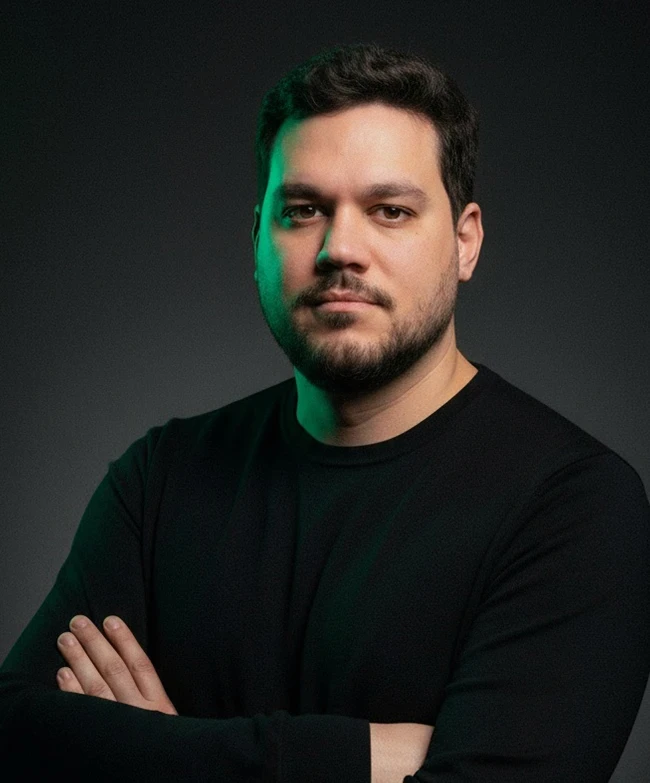
Thiago Lameirinhas
CEO & Founder
Thiago Lameirinhas
CEO & Founder

The Intelligence Hierarchy in Competitive Activities
Consider the spectrum of competitive activities from pure chance to pure skill:
Pure Chance — Slot machines, lotteries, roulette. No decision-making influences outcomes. Results are mathematically random.
Chance-Dominant with Minimal Skill — Bingo, scratch cards. Minor decisions exist but cannot overcome probabilistic disadvantage.
Skill-Influenced Games with Significant Variance — Backgammon, poker. Short-term outcomes include substantial randomness, but long-term results reflect skill differentials conclusively.
Skill-Dominant with Minimal Randomness — Chess, tennis, esports. Individual events sometimes produce upsets, but sustained excellence consistently correlates with superior performance.
Pure Skill Determinism — Track and field, weightlifting. Results directly and immediately reflect capability.
Poker occupies the middle zone—meaningful short-term variance, overwhelming long-term skill advantage. This creates unique pedagogical and psychological challenges.
The Mathematical Case for Skill Dominance
Statistical analysis settles the skill-versus-luck debate definitively. Studies examining millions of hands show clear skill stratification:
Elite professionals win consistently across thousands of sessions. This statistical impossibility under random outcomes proves skill dominance. If poker were luck-based, win rates would cluster around zero with random distribution. Instead, they show clear hierarchy with top players maintaining positive expectation over millions of hands.
PokerLAB Team's R$12 million in tracked profits over sustained periods represents mathematical proof. Luck doesn't produce consistent seven-figure returns across years of competition.
The variance exists—individual sessions or tournaments include substantial randomness. But aggregate results over sufficient sample sizes eliminate luck as primary factor.
Why "Sport of Intelligence" Matters
This classification isn't semantic vanity—it fundamentally shapes how poker should be taught, practiced, and understood.
If poker is gambling, study is pointless. Outcomes are random. Education is scam.
If poker is entertainment, strategy is optional. Play casually, have fun, don't worry about optimization.
If poker is sport, training is essential. Skill development follows deliberate practice. Performance improvement requires systematic study, coaching, and competitive experience.
PokerLAB Group's entire educational infrastructure rests on the third premise. The Academy, courses, Team methodology, content strategy—all assume poker competence develops through structured learning, not innate talent or random chance.
The Intelligence Domains Required
Poker demands integration of multiple cognitive capabilities:
Mathematical Reasoning — Probability calculation, equity assessment, expected value analysis, risk evaluation. Players continuously perform numerical analysis under time pressure.
Pattern Recognition — Identifying opponent tendencies, recognizing strategic situations, detecting betting patterns, classifying player types. Elite players process vast informational complexity rapidly.
Strategic Planning — Multi-level thinking about current decisions, future streets, tournament dynamics, stack preservation, ICM considerations. Constant balancing of competing priorities.
Psychological Insight — Reading opponents, managing table image, exploiting cognitive biases, maintaining emotional control. The human element introduces complexity beyond pure mathematics.
Adaptive Learning — Adjusting to new opponents, evolving meta-game, different formats, changing stack dynamics. Rigid strategy fails; flexibility succeeds.
This integration of numerical, strategic, and psychological intelligence parallels complexity found in other recognized intellectual sports.
The Parallel to Esports
Esports faced similar definitional battles. Initially dismissed as "just video games," competitive gaming now enjoys mainstream recognition as legitimate sport, complete with professional leagues, structured training, and athletic visas for international competitors.
The transformation occurred as society recognized that reaction speed, strategic thinking, team coordination, and competitive pressure under high stakes constitute athletic activity—even without physical exertion.
Poker follows similar trajectory. Recognition as intelligence sport grows as public understanding improves beyond casino stereotypes.
The Training Implications
Viewing poker as intelligence sport directly informs PokerLAB's educational approach:
Structured Curriculum — Like any sport, poker competence develops through progressive skill building, not random exposure.
Deliberate Practice — Focused training on specific weaknesses produces improvement faster than general play.
Professional Coaching — Expert guidance accelerates learning beyond self-study.
Performance Analysis — Reviewing past performance identifies improvement areas, similar to athletes watching game film.
Physical and Mental Conditioning — Managing variance requires psychological resilience. Tournament endurance demands physical stamina.
These training principles mirror established athletic development methodology. PokerLAB applies them systematically.
The Cultural Responsibility
By positioning poker as intelligence sport, PokerLAB Group accepts cultural responsibility. Sports require ethical conduct, strategic integrity, and educational rigor.
This manifests in specific commitments:
Responsible Gaming Messaging — Acknowledging that while poker is skill-based, it involves financial risk requiring prudent bankroll management.
Educational Accessibility — Academy's free tier ensures knowledge access isn't limited to those who can afford premium courses.
Performance Ethics — Team members exemplify professional conduct, on and off tables.
Evidence-Based Instruction — Teaching proven strategies supported by data, not promotional hype.
These commitments differentiate serious educational institutions from predatory "get rich quick" poker marketing.
The Broader Implications
Recognizing poker as intelligence sport has implications beyond the game itself:
Educational Value — Poker teaches probability, risk management, decision-making under uncertainty, emotional regulation—transferable skills valuable beyond tables.
Cognitive Development — Strategic thinking, mathematical reasoning, psychological awareness all strengthen through poker study.
Career Viability — Sport classification legitimizes poker as professional pursuit, not degenerate gambling.
Academic Interest — Universities increasingly study poker from game theory, psychology, and mathematical perspectives.
PokerLAB Group's educational infrastructure serves this broader recognition project. The more poker education resembles serious athletic training, the more cultural legitimacy the game receives.
The Variance Paradox
Poker's classification challenge stems from unique characteristic: short-term outcomes include substantial randomness even as long-term results definitively reflect skill.
This creates frustration for new players. They study diligently, make correct decisions, and still lose. Variance feels like evidence that luck dominates.
Effective education addresses this directly. PokerLAB curriculum includes variance management, bankroll mathematics, and psychological frameworks for handling short-term randomness. Students learn to evaluate decisions independently from outcomes—focusing on process quality rather than result-based thinking.
This mental discipline separates professional athletes from amateurs across all sports. Focusing on controllable factors while accepting uncontrollable variance defines competitive maturity.
Conclusion
Poker is a sport of intelligence. Not because we want it to be, but because mathematical analysis, competitive results, and skill stratification prove it conclusively.
This recognition shapes everything PokerLAB Group builds: curriculum design, training methodology, professional standards, brand positioning, cultural responsibility.
The 70,000+ students educated through Academy, the 5,000+ enrolled in premium courses, the R$12 million in Team profits, the 4.9/5 satisfaction ratings—these metrics reflect an educational system built on the premise that poker competence develops systematically through structured learning.
For those who view poker as gambling, no amount of study matters. For those who recognize it as intelligence sport, education becomes essential.
PokerLAB Group exists for the latter group—students committed to systematic improvement, professionals pursuing competitive excellence, educators advancing the craft.
Intelligence sports require intelligent training. That's what the ecosystem provides.
The debate about poker's classification will continue. But for those inside the game, operating at professional levels, the answer is obvious. Luck influences individual hands. Intelligence determines careers.
PokerLAB Group builds for careers, not hands.
Thiago Lameirinhas
CEO & Founder