September 3, 2025
September 3, 2025
September 3, 2025
Why Professional Poker Teams Need Brand Discipline and Strategic Media
Professional sports teams understand a fundamental truth: performance alone doesn't build sustainable organizations. Championships generate attention, but strategic media and brand discipline convert attention into lasting value.
Professional sports teams understand a fundamental truth: performance alone doesn't build sustainable organizations. Championships generate attention, but strategic media and brand discipline convert attention into lasting value.
Poker teams traditionally ignore this principle. They assemble rosters, split profits, and assume results speak for themselves. This approach leaves significant value uncaptured. PokerLAB Team operates differently—not just as a collection of players, but as a systematically branded entity within a larger ecosystem.
The Problem with Poker Team Branding
Most poker teams exhibit weak brand identity. They lack visual coherence, message consistency, and strategic media presence. Sponsorship assets are poorly leveraged. Content production is sporadic and low-quality.
This isn't player failure—it's structural failure. Professional poker players are trained to analyze game theory, not manage brand architecture. Expecting tournament grinders to also function as media professionals, graphic designers, and content strategists is unrealistic.
Yet this expectation persists across the industry, resulting in amateurish execution that undermines otherwise talented rosters.
The PokerLAB Team Model
PokerLAB Team members don't manage their own branding—the Creative Studio does. This division of labor allows players to focus on performance while professional designers, video producers, and content strategists handle media.
Every player profile follows consistent visual language. Tournament coverage maintains uniform production standards. Social media reflects deliberate messaging strategy, not random player impulses.
This isn't corporate sterility—it's professional presentation. Consider the difference between an NFL player's personal Instagram and team-generated content. Both have value, but they serve different purposes and exhibit different quality standards.
Strategic Media as Performance Multiplier
Winning tournaments generates temporary visibility. Strategic media transforms that visibility into sustained attention.
When PokerLAB Team members cash in major events, the Creative Studio produces content within hours: edited video highlights, performance graphics, strategic hand breakdowns. This content flows through PokerLAB Network, reaching 2 million people monthly.
The tournament result becomes a media event, not just a database entry. Attention compounds. Authority grows.
This rapid-response capability requires in-house infrastructure. External agencies can't match the speed or strategic context that internal teams provide.
Brand Discipline as Organizational IQ
Brand discipline means consistent decision-making across all touchpoints. It's knowing which partnerships align with positioning, which content formats serve long-term strategy, which visual choices reinforce identity.
PokerLAB Group maintains this discipline through centralized Creative Studio oversight. Every design, video, sponsorship activation, and public statement undergoes brand review. Nothing reaches the market that contradicts strategic positioning.
This level of control frustrates some players accustomed to individual autonomy. But consider professional sports: athletes don't design their own jerseys, write their own press releases, or manage their own broadcast graphics. Infrastructure handles that.
Poker teams deserve equivalent infrastructure.
The Economic Logic of Professional Media
Quality media production isn't cheap. Videographers, editors, designers, and content strategists command professional salaries. Equipment and software require capital investment.
Most poker teams can't justify these costs for episodic content. The PokerLAB ecosystem can—because the Creative Studio serves the entire organization, not just the Team. Costs distribute across multiple revenue streams while benefits compound through integrated distribution.
This is the ecosystem advantage: shared infrastructure enables capabilities that isolated units cannot afford.
Performance Plus Presence Equals Value
PokerLAB Team has been nominated twice as Brazil's best team. That recognition stems from both table performance—R$12 million in documented profits—and consistent media presence that makes that performance visible.
Results without visibility evaporate. Visibility without results rings hollow. The combination creates sustainable authority.
What Other Teams Can Learn
Not every team needs Creative Studio infrastructure. But every team needs brand discipline and strategic media thinking.
Minimum requirements:
— Consistent visual identity across all touchpoints
— Professional photography and videography, not iPhone snapshots
— Deliberate content strategy, not random social posts
— Clear positioning that differentiates from competitors
— Media training for player communications
These elements don't require massive budgets. They require strategic prioritization and professional execution.
Conclusion
The era of "play well and people will notice" has ended. Modern poker audiences consume dozens of content sources daily. Attention is earned through strategic presence, not accidental visibility.
PokerLAB Team demonstrates what happens when professional players receive professional media support. Performance meets presentation. Strategy meets storytelling.
For teams serious about building sustainable organizations rather than temporary rosters, brand discipline isn't optional—it's foundational. The question isn't whether to invest in media, but whether to do it strategically or haphazardly.
The market rewards clarity, consistency, and quality. The PokerLAB approach simply takes that market reality seriously.
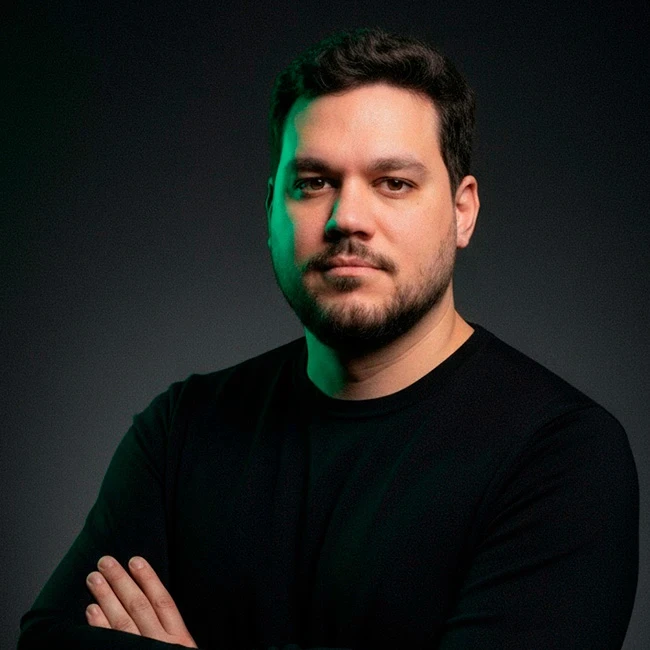
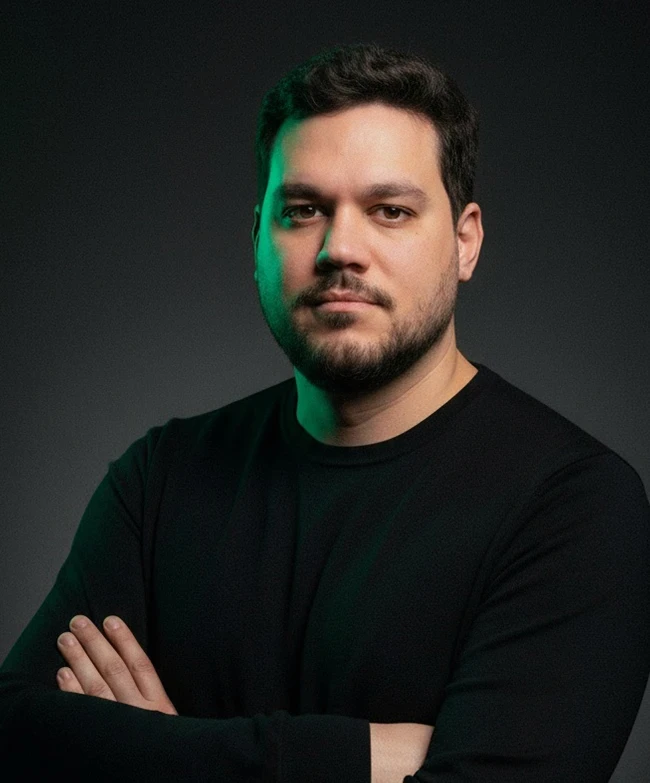
Thiago Lameirinhas
CEO & Founder
Thiago Lameirinhas
CEO & Founder

The Problem with Poker Team Branding
Most poker teams exhibit weak brand identity. They lack visual coherence, message consistency, and strategic media presence. Sponsorship assets are poorly leveraged. Content production is sporadic and low-quality.
This isn't player failure—it's structural failure. Professional poker players are trained to analyze game theory, not manage brand architecture. Expecting tournament grinders to also function as media professionals, graphic designers, and content strategists is unrealistic.
Yet this expectation persists across the industry, resulting in amateurish execution that undermines otherwise talented rosters.
The PokerLAB Team Model
PokerLAB Team members don't manage their own branding—the Creative Studio does. This division of labor allows players to focus on performance while professional designers, video producers, and content strategists handle media.
Every player profile follows consistent visual language. Tournament coverage maintains uniform production standards. Social media reflects deliberate messaging strategy, not random player impulses.
This isn't corporate sterility—it's professional presentation. Consider the difference between an NFL player's personal Instagram and team-generated content. Both have value, but they serve different purposes and exhibit different quality standards.
Strategic Media as Performance Multiplier
Winning tournaments generates temporary visibility. Strategic media transforms that visibility into sustained attention.
When PokerLAB Team members cash in major events, the Creative Studio produces content within hours: edited video highlights, performance graphics, strategic hand breakdowns. This content flows through PokerLAB Network, reaching 2 million people monthly.
The tournament result becomes a media event, not just a database entry. Attention compounds. Authority grows.
This rapid-response capability requires in-house infrastructure. External agencies can't match the speed or strategic context that internal teams provide.
Brand Discipline as Organizational IQ
Brand discipline means consistent decision-making across all touchpoints. It's knowing which partnerships align with positioning, which content formats serve long-term strategy, which visual choices reinforce identity.
PokerLAB Group maintains this discipline through centralized Creative Studio oversight. Every design, video, sponsorship activation, and public statement undergoes brand review. Nothing reaches the market that contradicts strategic positioning.
This level of control frustrates some players accustomed to individual autonomy. But consider professional sports: athletes don't design their own jerseys, write their own press releases, or manage their own broadcast graphics. Infrastructure handles that.
Poker teams deserve equivalent infrastructure.
The Economic Logic of Professional Media
Quality media production isn't cheap. Videographers, editors, designers, and content strategists command professional salaries. Equipment and software require capital investment.
Most poker teams can't justify these costs for episodic content. The PokerLAB ecosystem can—because the Creative Studio serves the entire organization, not just the Team. Costs distribute across multiple revenue streams while benefits compound through integrated distribution.
This is the ecosystem advantage: shared infrastructure enables capabilities that isolated units cannot afford.
Performance Plus Presence Equals Value
PokerLAB Team has been nominated twice as Brazil's best team. That recognition stems from both table performance—R$12 million in documented profits—and consistent media presence that makes that performance visible.
Results without visibility evaporate. Visibility without results rings hollow. The combination creates sustainable authority.
What Other Teams Can Learn
Not every team needs Creative Studio infrastructure. But every team needs brand discipline and strategic media thinking.
Minimum requirements:
— Consistent visual identity across all touchpoints
— Professional photography and videography, not iPhone snapshots
— Deliberate content strategy, not random social posts
— Clear positioning that differentiates from competitors
— Media training for player communications
These elements don't require massive budgets. They require strategic prioritization and professional execution.
Conclusion
The era of "play well and people will notice" has ended. Modern poker audiences consume dozens of content sources daily. Attention is earned through strategic presence, not accidental visibility.
PokerLAB Team demonstrates what happens when professional players receive professional media support. Performance meets presentation. Strategy meets storytelling.
For teams serious about building sustainable organizations rather than temporary rosters, brand discipline isn't optional—it's foundational. The question isn't whether to invest in media, but whether to do it strategically or haphazardly.
The market rewards clarity, consistency, and quality. The PokerLAB approach simply takes that market reality seriously.
Thiago Lameirinhas
CEO & Founder